Thursday, March 19, 2015

Outdoor Videography Tips

This article shares a few outdoor videography tips I have compiled after a few years filming fish and fly fishing in the Colorado mountains.  These are just a few thoughts that may help make your outdoor filming adventure go a little more smoothly and provide you with better footage to edit into an epic YouTube video back home on your computer.

Polarizing Filter - A polarizing filter is extremely helpful for filming fly fishing (or any other activity) in the Colorado mountains.  The filter reduces glare from high altitude sun and improves colors.  Skies take on a much more vibrant blue and streams can appear completely transparent to reveal every fish in the creek depending on the angle of the filter.  A polarizing filter can help collect clearer, more vibrant video and if your camera accepts a filter, you should consider experimenting with one.

Film Away from the Sun - For the most part, you don't want to be filming into the sun, unless you are going for the back-lit, sun flare on the lens look.  To the extent you can, just keep your back to the sun while filming (watch out for your shadow).  I find outdoor subjects like streams and animals usually dictate which direction the camera is pointing, so you don't always have a choice, but keep it in mind when you can.

Lightweight Tripod - I do a fair amount of "Les Stroud"-style filming and find both a full size, light weight tripod and a smaller, flexible-style tripod very helpful in capturing the shots I want.  Consider your needs and the shots you want, but if do decide to get a tripod, try to get a lightweight model, as hiking and fishing with a large, heavy tripod is no fun.  Tripods are fairly critical for time-lapse photography and any other long, single position shooting you plan to do.

Lens Cloth - The outdoors is full of dust, dirt, water and a whole bunch of other stuff that wants to land on your lens and ruin your shots.  Nothing is more frustrating than reviewing your footage later only to realize that your otherwise perfect shot is marred by a piece of dust or drop of water.  Get a nice cheap lens cloth, keep it with you and check your lens frequently.  Clean as needed.

Large Memory Card - My cameras use SD cards and I plan on using a good portion of a 32GB memory card for a long day of recording on the water.  I recommend getting at least a 32GB card, but you might be able to get away with a 16GB.  It really just comes down to data management and if you are good about downloading your footage, you can get away with something smaller.  There is little worse than tying to make room on a memory card streamside as the fish are rising perfectly to mayflies right in front of you.
 
Practice - Learn to use your camera equipment before you go out filming.  Obviously, the more you use your equipment the more familiar you will be with it, but take the time to read through your manual in the comfort of your home and play around with the different settings and options.  Just like the SD card, there is little worse than trying to figure your camera or how to unlock a setting streamside.

These tips are just a few lessons I have learned the hard way and I hope that I can help reduce your frustration as you begin to film what you love in the outdoors.  I hope to follow up this article with more helpful tips in the future.  Have a good one.

Wednesday, February 25, 2015

Little Black Stoneflies - More Winter Fly Tying

My previous winter tying efforts were focused on sunny summer days, but in preparing for the warmth of summer, the realization struck that more timely patterns could be prepared in anticipation of a surprise February or March day on the water.

Someone reminded me that little black stoneflies could soon be moving from their deep water homes to the edges of the stream to begin crawling up onto the snow covered banks.

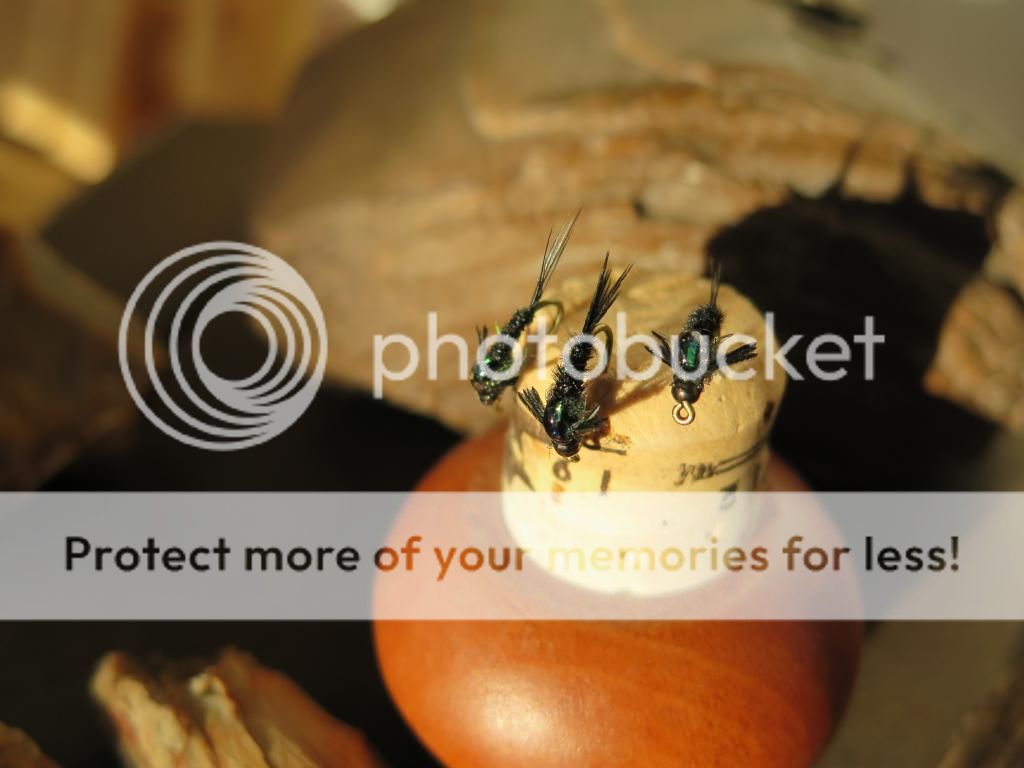
So to help fight the cabin fever, I tied up a few different small black stonefly patterns at the tying desk over the past few weeks.

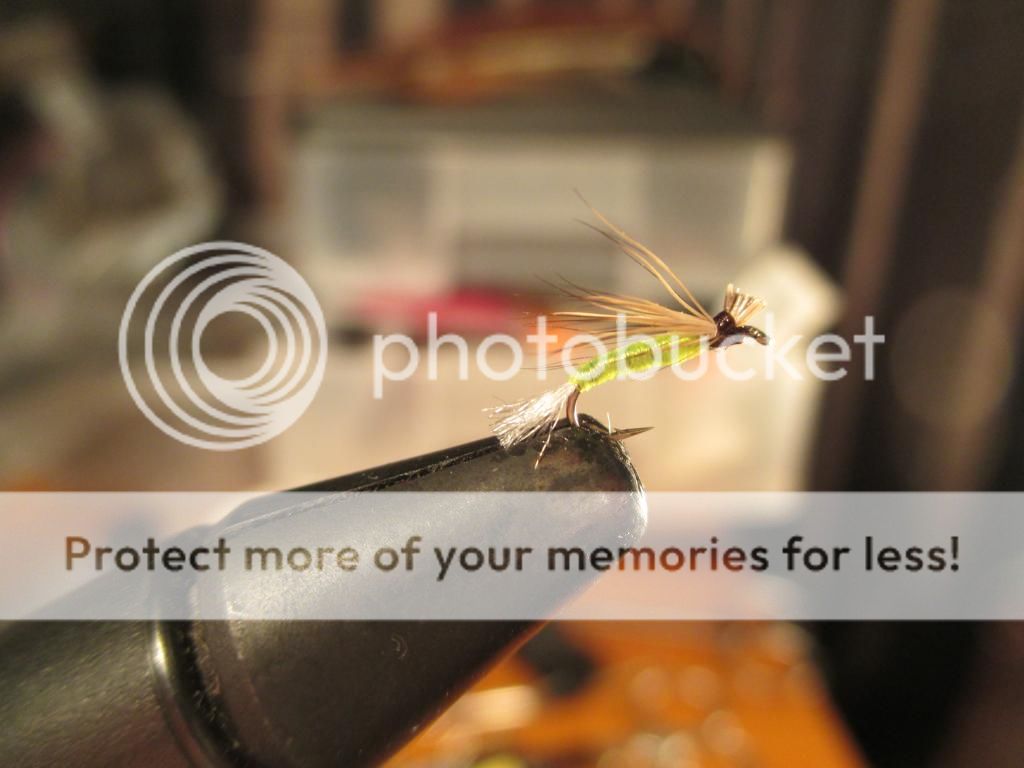
The first pattern to be tied was a black pheasant tail with a tungsten beadhead.


Then, the beadhead was switched out with a brass bead and copper wire was used to rib the thorax to give a little different look.


Then, to mix it up a bit, I tied up a few black copper johns, again with a tungsten bead.


These little black stoneflies are some of the first larger insects to start moving in the late winter and early spring months.  So, if you plan to be out on the water over the next few weeks, it may be a good idea to have some patterns to imitate these little snow bugs.  And to keep an eye out for them.

Now.....I just need to find some time to hit the water.

Wednesday, February 4, 2015

Fighting Cutthroats 2014

Every year, I try to hit up some of my favorite cutthroat waters.  And, every year, I try pull together an edit of my time chasing cutthroats and cutbows.  This year, my time on the water was abbreviated due to an addition to the family, but i still got a few days to hit up some of my favorite stretches of high country Colorado creeks.  I hope you enjoy this years cutthroat edit.


Wednesday, January 28, 2015

The Caddis Box - Preparing for Next Summer

I am a fan of caddisflies.  They remind me of summer afternoons and evenings, green leaves, blue skies, hot days and cool water slowly leaking into my waders.  I have spent many fly fishing summer nights racing against the setting sun and increasing darkness, trying to find one more pattern to fool one more hungry trout before it's too dark to see to tie on another fly.


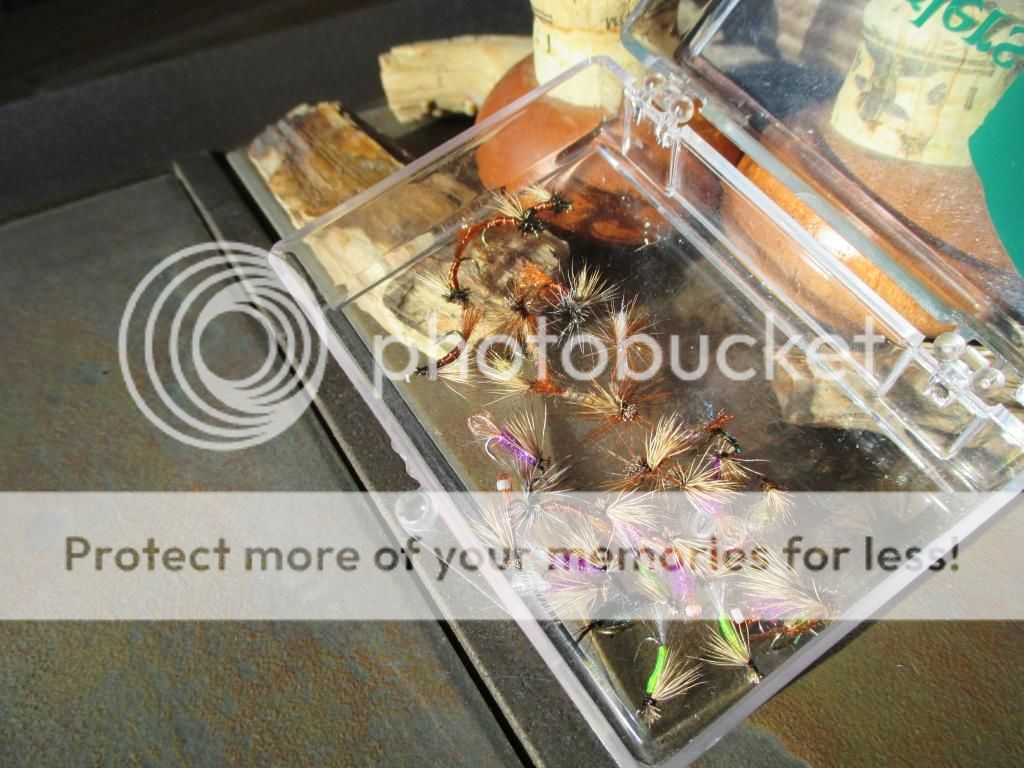
In preparation for this coming summer, a new arsenal of caddisflies has begun to emerge from my fly tying table.

Even as it looks like this outside.


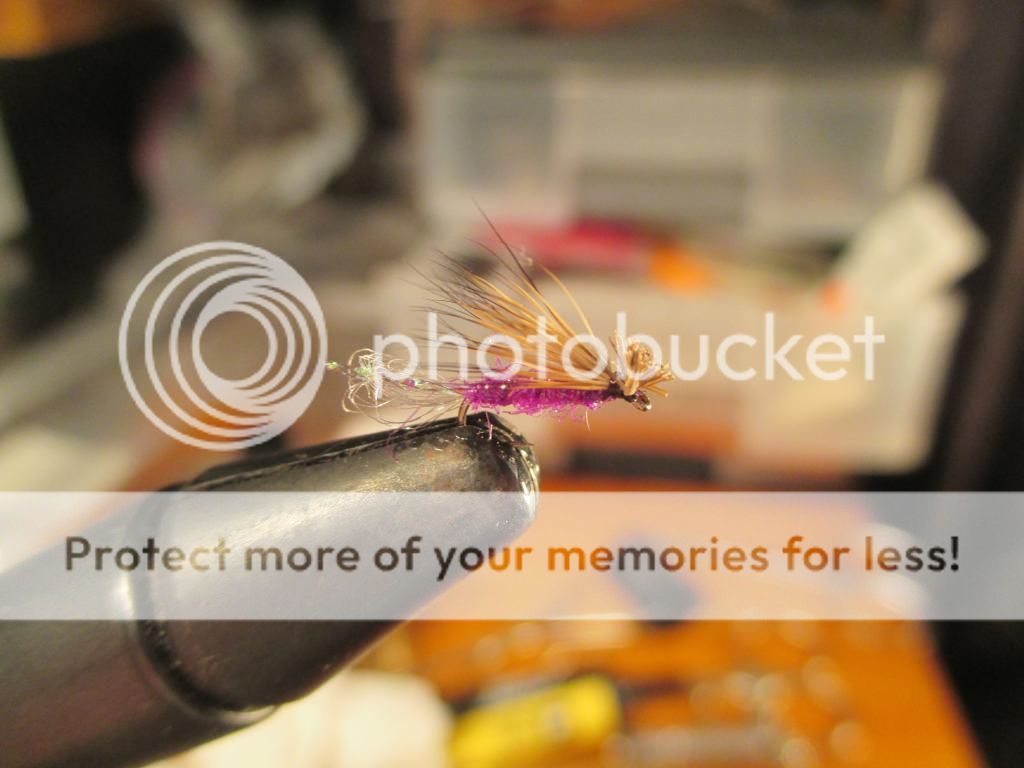
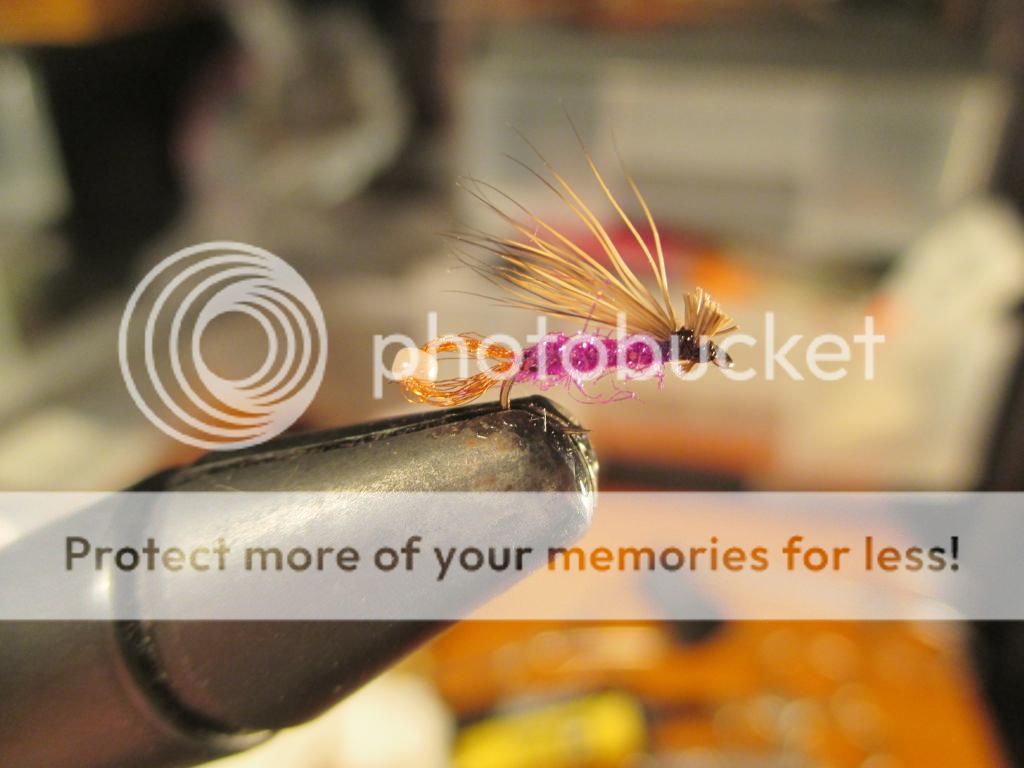
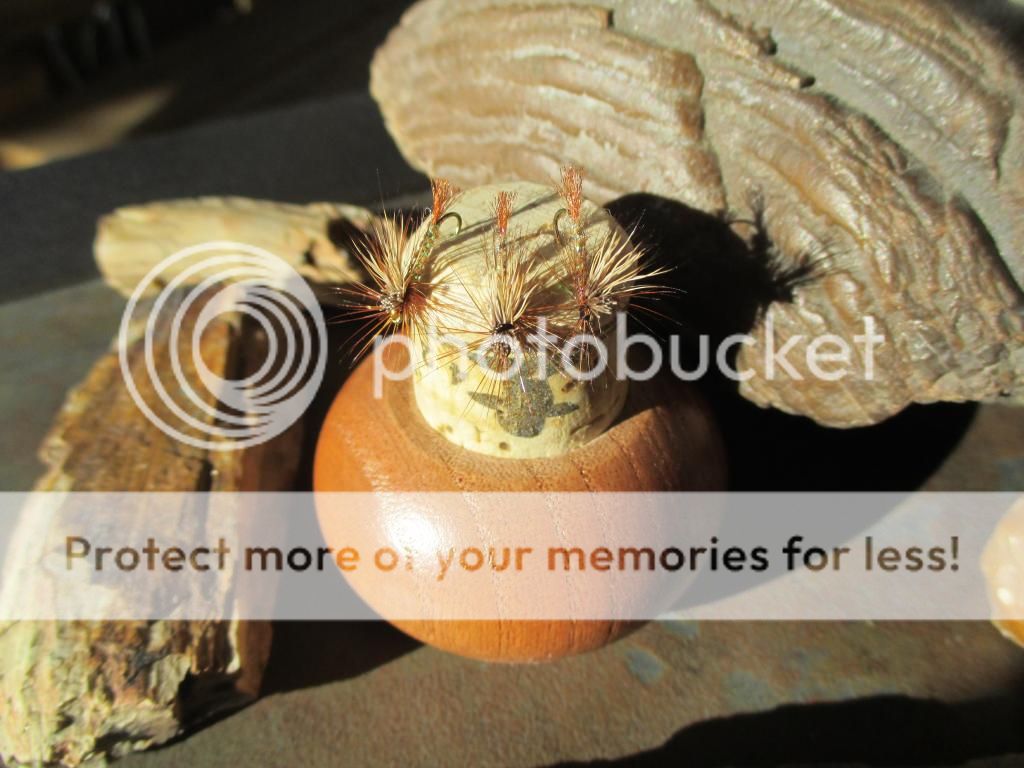
I am a fan of xcaddis patterns, so the first flies to come off the bench were a few different xcaddis combinations.


Then, I added some more more general emerging caddis patterns, while keeping with the shuck / hatching caddis concept.  I really think the trout target these shuck pattern as caddisflies usually explode through the surface film.  These "stuck" flies provide the trout a chance of catching up with these hearty, but fast snacks. 


I even added a few Gary LaFontaine Sparkle Emergers.


So, for now, it's still winter here in Denver, Colorado and the trout are not rising to the surface of my favorite streams targeting tasty caddis treats.  But, soon they will be and I hope to be there and ready.  I will continue to fill my fly box with new patterns as well as old favorites.  If you are a tier, you are probably doing the same thing, along with dreaming of your favorite stretch of stream and some of your favorite fishing memories.


Thursday, January 15, 2015

Summer on Clear Creek

It's the middle of winter, but I'm still thinking of warm summer days spent fly fishing for brown trout on Clear Creek just outside of Denver on Colorado's front range.


This footage comes from a few days on Clear Creek last year just above the canyon reach.  Elk hair caddis and assorted nymphs, including medallion midges, fooled these small brown trout holding in the slower edges of the creek.

Although it's cold out now, it's the thoughts of these lively fish that keep me dreaming of summer fly fishing which isn't really that far away.  Is it?

Thursday, October 16, 2014

Favorite Stream Beers

There is just something right about enjoying a nice cold beer on the side of a beautiful creek.  Here are some of my favorites (beers and creeks).


Sometimes, I'm on a budget.


And our dog is a cheap date, too, that loves six pack boxes.


Monday, October 6, 2014

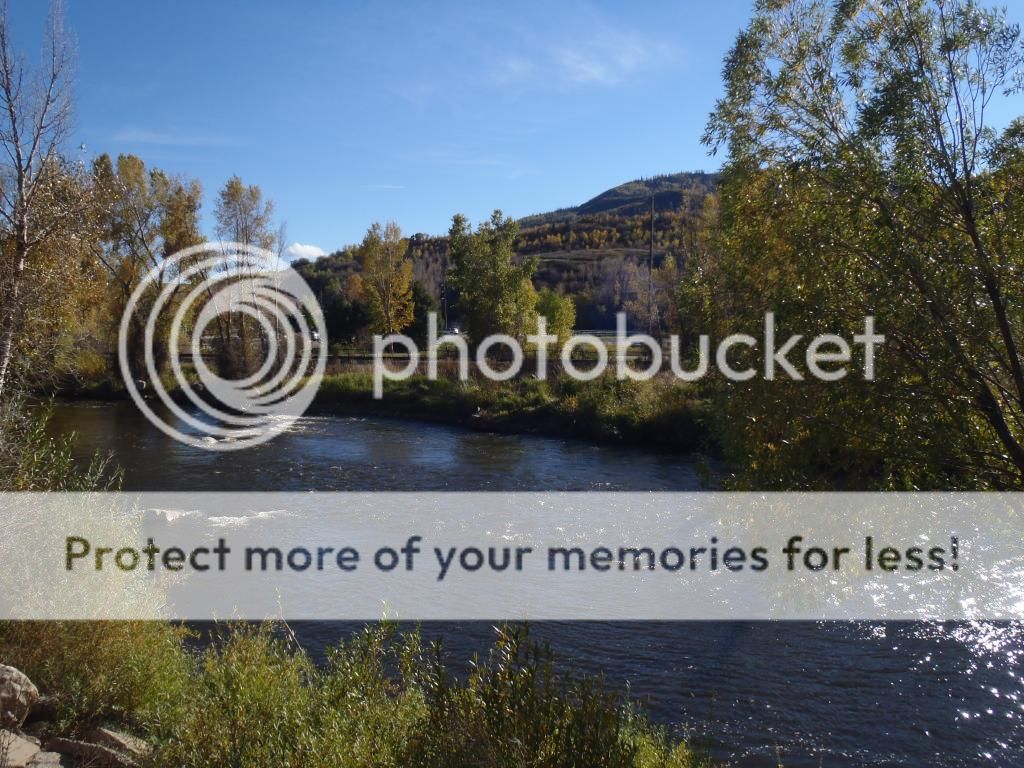
Yampa River, Colorado

The intensity of the early October snow increased as I exited I-70 at Silverthorne and headed north on Highway 9, leaving the traffic lights and storefronts behind.  The next 30 miles was a bleary-eyed drive through near blinding flurries with both fox and deer dancing across the road.


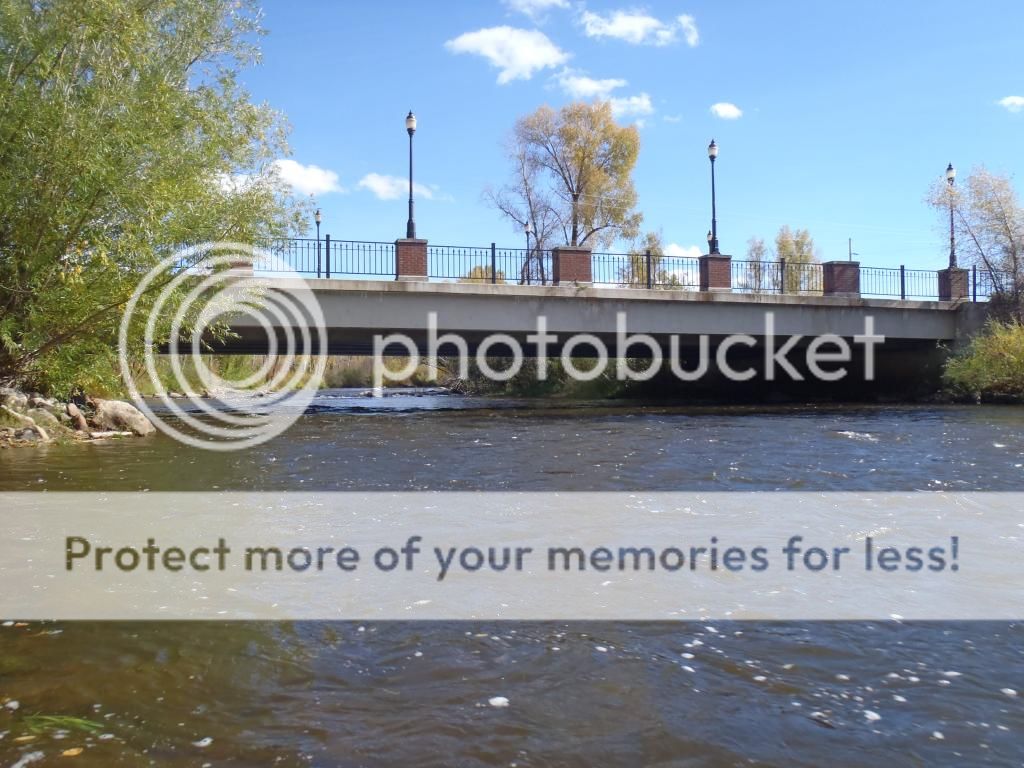
I was headed to a conference.  For work.  In Steamboat.  And the following morning, I discovered that the conference venue was within throwing distance of the Yampa River.  Hello distraction, I'm a fishing addict.  


The brisk fall day did not burn off the low morning clouds until just past the conference's lunch break of pulled pork and potato salad.  The after lunch session left me only an hour to fish in the late afternoon sun before heading back down to the front range.  With no observed rises, nymphing the deeper runs seemed to be the best approach.


The first few fish were small.  I began to wonder just how pressured this easily accessible downtown stretch is and to formulate a plausible "it's always nice to get out fishing story".

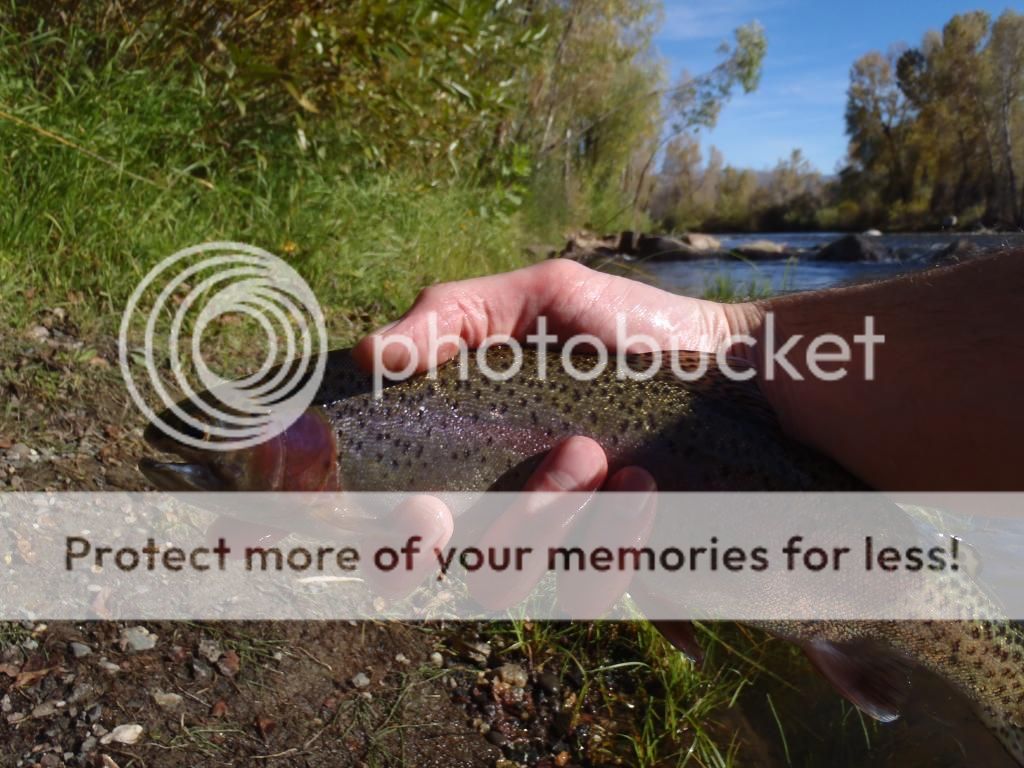
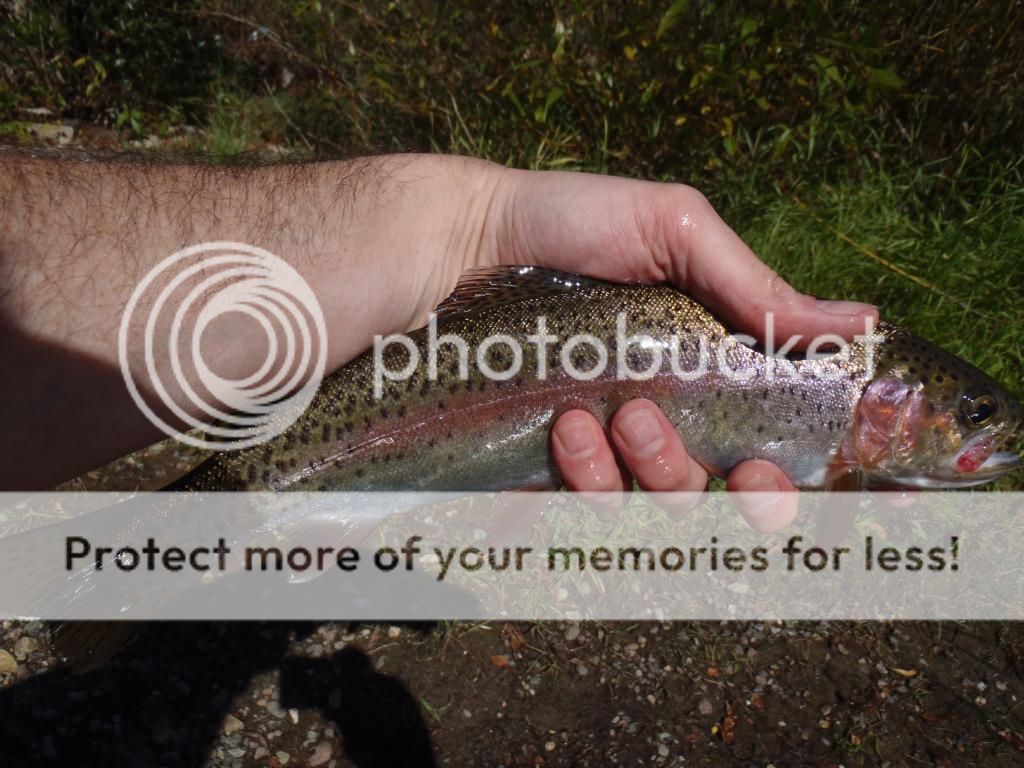
Then, the line went tight halfway through a drift in a deeper slot below some boulders.  The weight at the end of the line had some heft and some life.  After a brief fight and netting, this nicer rainbow was brought to hand.


No streamside beer today.  With a 3 hour drive ahead, a celebratory coffee was in order.  


The drive home was much less eventful, with clear weather, beautiful views and plenty of time to wonder what could have been with more time on the water.  


The 3 inches of snow on the sides of the road at the top of Rabbit Ears Pass and the color of the aspens show how close winter is at the higher elevations.  The fishing is still great and the lower elevation waters should be in full fall swing and will be for at least a month still.  Get out if you can and enjoy a few last bright warm days on the water before the cold weather really starts to sink in.